History
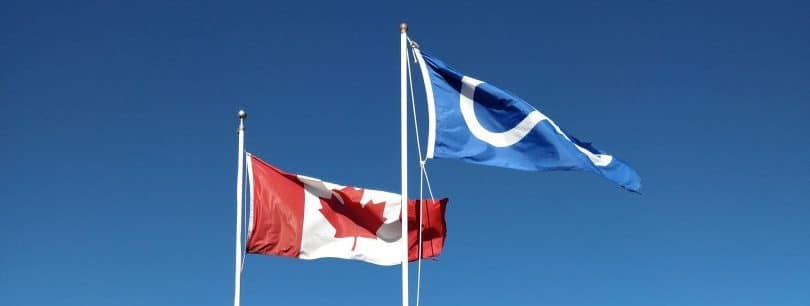
Michif is the official language of the Métis Nation. It is one of many languages connected to the Métis people and is part of their history. This is part 3 in a three-part series on the history of French in Canada. Check out part 1 on Quebec French and part 2 on Acadian French.

In linguistics, we observe a phenomenon known as contact languages. Contact languages emerge, as the name suggests, because of prolonged interactions between speakers of two ore more distinct and mutually unintelligible languages who do not otherwise share a lingua franca.

Acadian French is the second most common variety of French used in Canada, after Quebec French. Today, you are most likely to meet Acadian French speakers in New Brunswick and the surrounding Maritime provinces. This is the land that historically made up Acadia during the time of French settlers in New France. The evolution of…

Some non-Canadians hear that Canada has two official languages, English and French, and may assume that that means every Canadian is fluent in both languages. However, that isn’t true – well, unless you go to New Brunswick. Rather, English and French underwent separate emergences in Canada. Here, I go through some of the history of…

A couple weeks ago, I wrote about the field of forensic linguistics and what kind of work you can do in that field. I wrote a little about the Unabomber case, the most famous use of forensic linguistics to solve crime. Today, I go over the Unabomber case in more detail along with three more…

Forensic linguistics is a subfield of applied linguistics which sees linguistics applied to forensics and the law. The most famous legal case which involved forensic linguistics is the Unabomber case, where the FBI compared Ted Kaczynski’s writings with the Unabomber manifesto. However, the term covers many areas of focus. What is forensic linguistics? Forensic linguistics…

I can think of several foods named after different places. The Nanaimo bar, hamburgers, Hawaiian pizza, and so on. But I take for granted – and maybe you do too – that these foods are obviously connected to the places they are named after. Today, I go through five different foods and the locations they…

You’ve likely heard of Rosetta Stone, the popular language learning software. You’re probably even aware of its namesake, the Rosetta Stone. And how it is the reason we can read Egyptian hieroglyphs. But how much of the story do you know?

I’ve written before about the importance of language revitalization and some of the efforts made towards it. But what does it look like when those efforts work? Today, I give you the spooky stories (ok not really) of four languages brought back to life—also called revived languages.
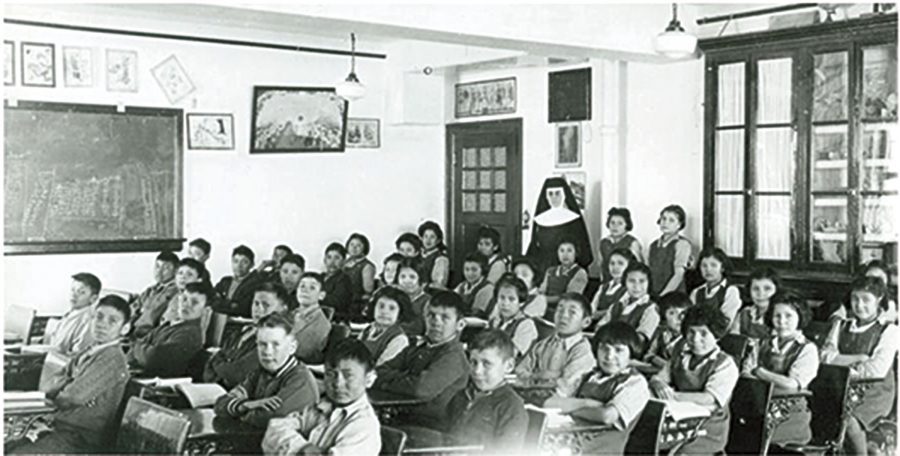
September 30th is the National Day for Truth and Reconciliation in Canada. Also called Orange Shirt Day, it was first established by the non-profit organization the Orange Shirt Society in 2013. In 2021, it became a national holiday. The purpose of the holiday is to raise awareness about the impact and legacy of residential schools…