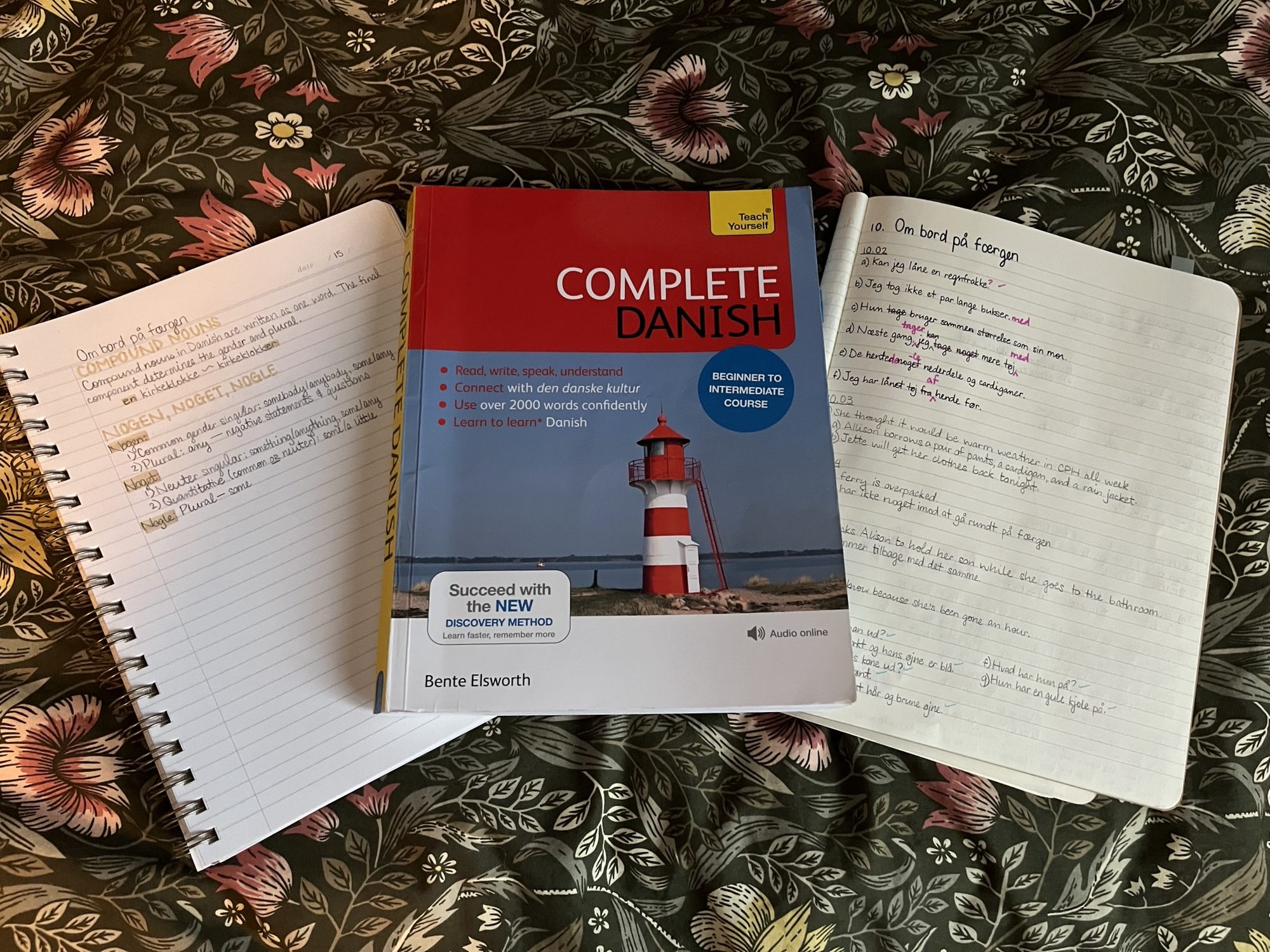
This is the start of a new on-going series where I chronicle my efforts to learn Danish. Posts will be published twice a month as part of my regular posting cycle. September 1-6: The month started out slow. I got back into studying my flashcards and got a couple days’ practice with those. I also…
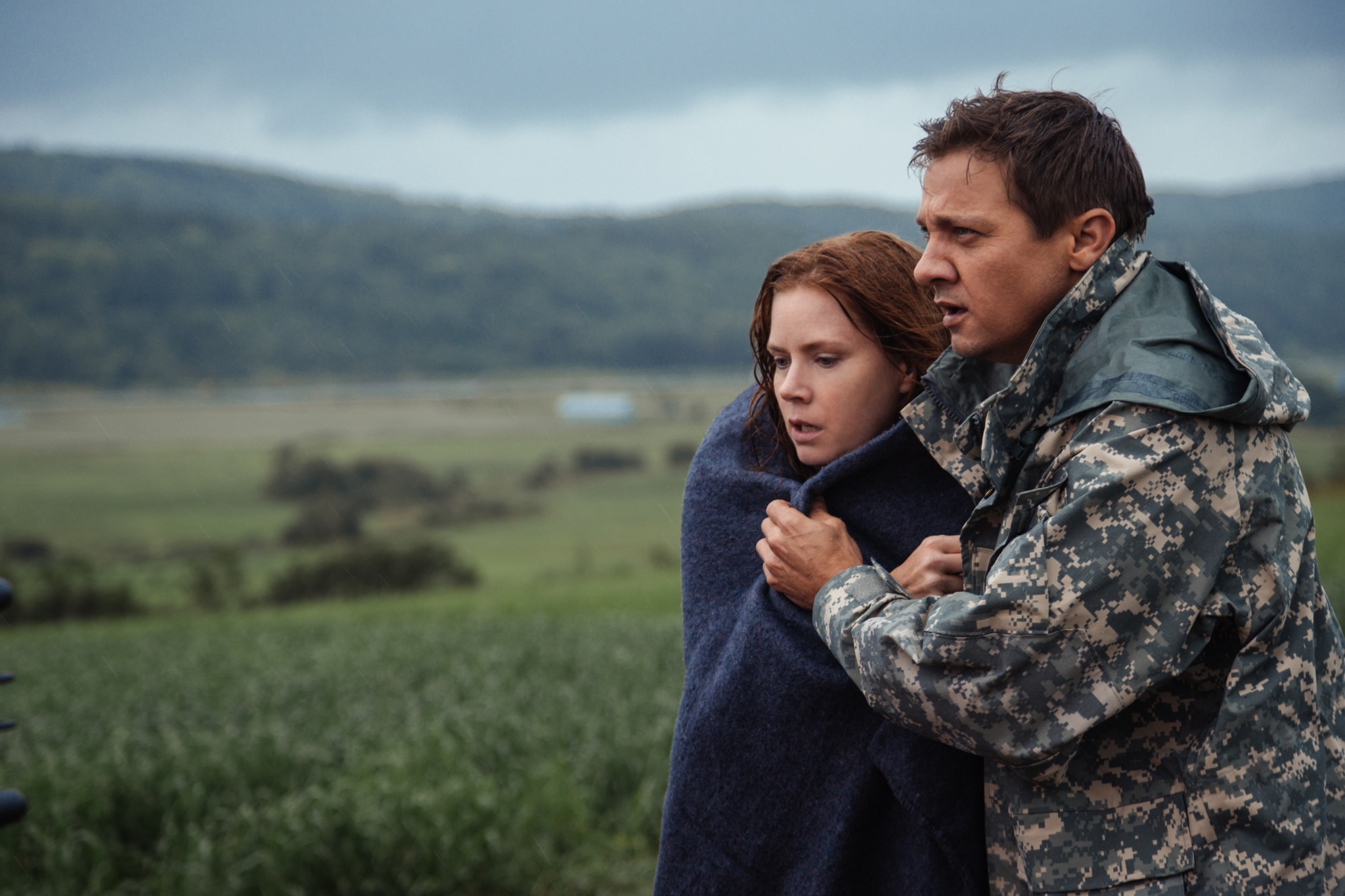
SPOILER ALERT: This post contains spoilers for the plot of Arrival

Are you thinking about getting a linguistics degree? Here’s everything I wish I knew before enrolling in my first linguistics class.
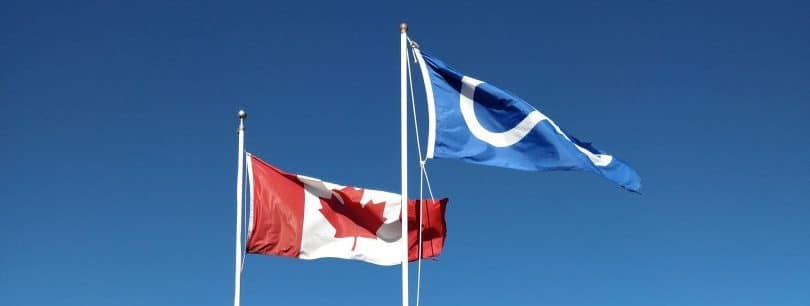
Michif is the official language of the Métis Nation. It is one of many languages connected to the Métis people and is part of their history. This is part 3 in a three-part series on the history of French in Canada. Check out part 1 on Quebec French and part 2 on Acadian French.

In linguistics, we observe a phenomenon known as contact languages. Contact languages emerge, as the name suggests, because of prolonged interactions between speakers of two ore more distinct and mutually unintelligible languages who do not otherwise share a lingua franca.
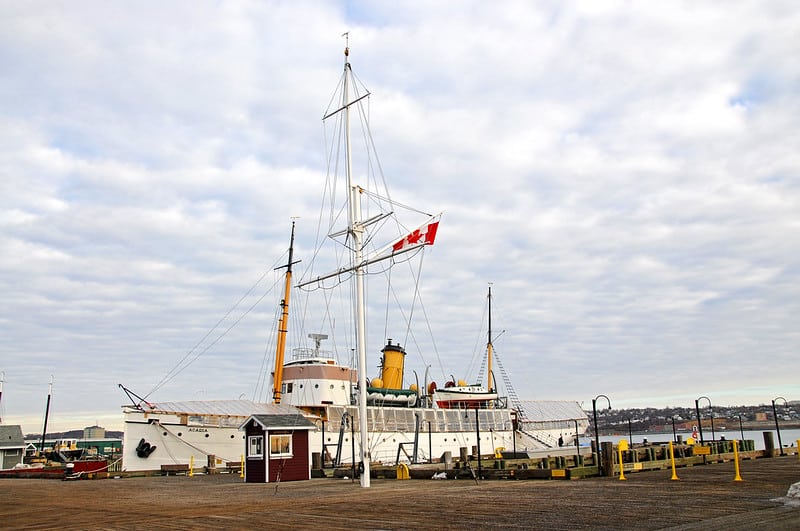
Acadian French is the second most common variety of French used in Canada, after Quebec French. Today, you are most likely to meet Acadian French speakers in New Brunswick and the surrounding Maritime provinces. This is the land that historically made up Acadia during the time of French settlers in New France. The evolution of…
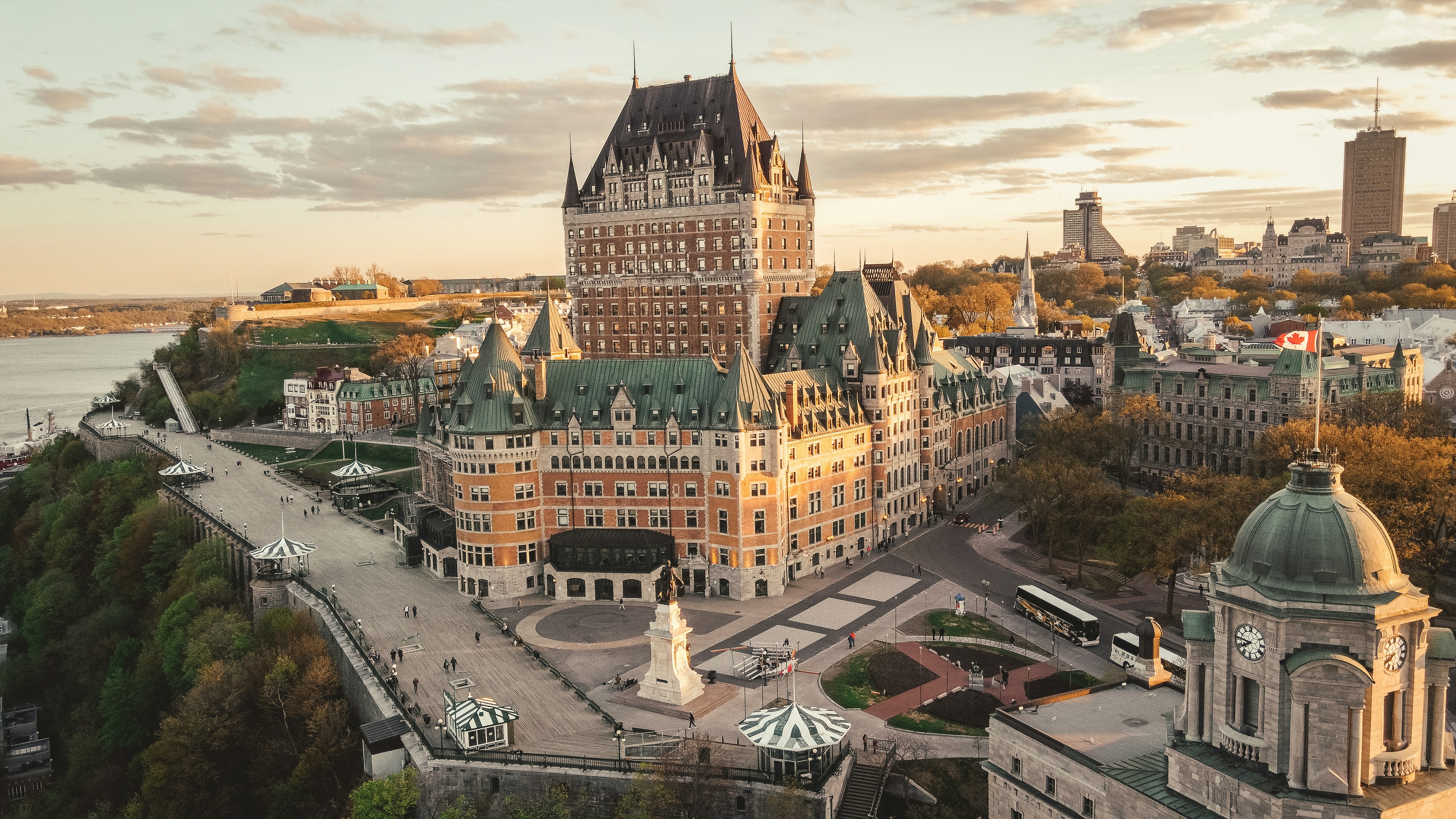
Some non-Canadians hear that Canada has two official languages, English and French, and may assume that that means every Canadian is fluent in both languages. However, that isn’t true – well, unless you go to New Brunswick. Rather, English and French underwent separate emergences in Canada. Here, I go through some of the history of…
Hello readers! I wanted to keep you in the loop and tell you I’ll be taking a short hiatus from blogging for the next month. I’m going on vacation and want to spend the time before and after focussing on planning and letting myself relax when I can. Hopefully I’ll be returning to my normal…

A couple weeks ago, I wrote about the field of forensic linguistics and what kind of work you can do in that field. I wrote a little about the Unabomber case, the most famous use of forensic linguistics to solve crime. Today, I go over the Unabomber case in more detail along with three more…

The other day my dad called me into the living room to show me a video on his iPad. The video was of three men conversing in Danish while operating a combine harvester. “Do you recognize the dialect?” my dad asked. I told him no. “All Danish is Danish to me,” I explained, or something…